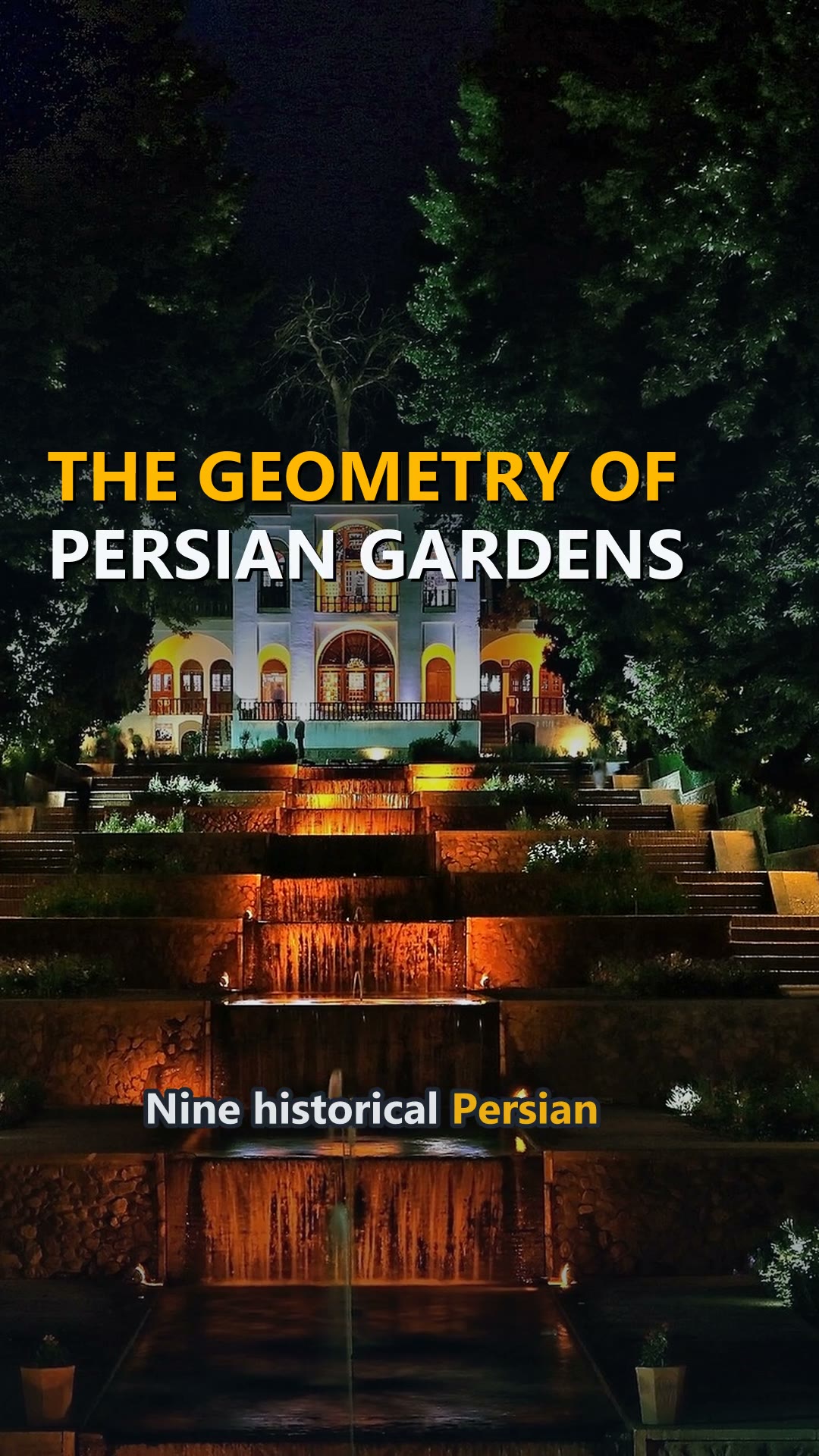
The Geometry of Persian Gardens
Nine historical Persian gardens hold UNESCO World Heritage status since 2011. Persian gardens are enclosed landscape gardens that emerged in the Achaemenid Empire. Water channels divide the enclosed space into four clearly defined quarters.
What the video says
Nine historical Persian gardens hold UNESCO World Heritage status since 2011.
Persian gardens are enclosed landscape gardens that emerged in the Achaemenid Empire.
Water channels divide the enclosed space into four clearly defined quarters.
Sasanian garden design placed greater emphasis on fountains and ponds.
Architects specifically chose textures and shapes to harness sunlight in Persian gardens.
Trees were planted in ditches called juy to prevent water evaporation.
Mughal emperor Babur introduced the Persian garden style to India.
Mughal gardens require shade, fruit, fragrance, and running water for the afterlife.
Safavid dynasty layouts made gardens an integral part of palace architecture.
Traditional forms still appear in modern Iranian gardens and historic museum sites.
Source
More to watch
More about Islamic Republic of IranMore from WorldAll more videos
- The Cyrus Cylinder: Ancient Clay Record
- Naqsh-e Jahan Square in Isfahan
- Codex Gigas weighs 74.8 kilograms
- Grandma's ghost came home for Halloween. She was not impressed
- The robot wrote his report in four seconds. Brian had a plan
- He dug up Ramses II in his garden, then called the authorities
- The Persian Miniature Painting
- The Persian Carpet Explained