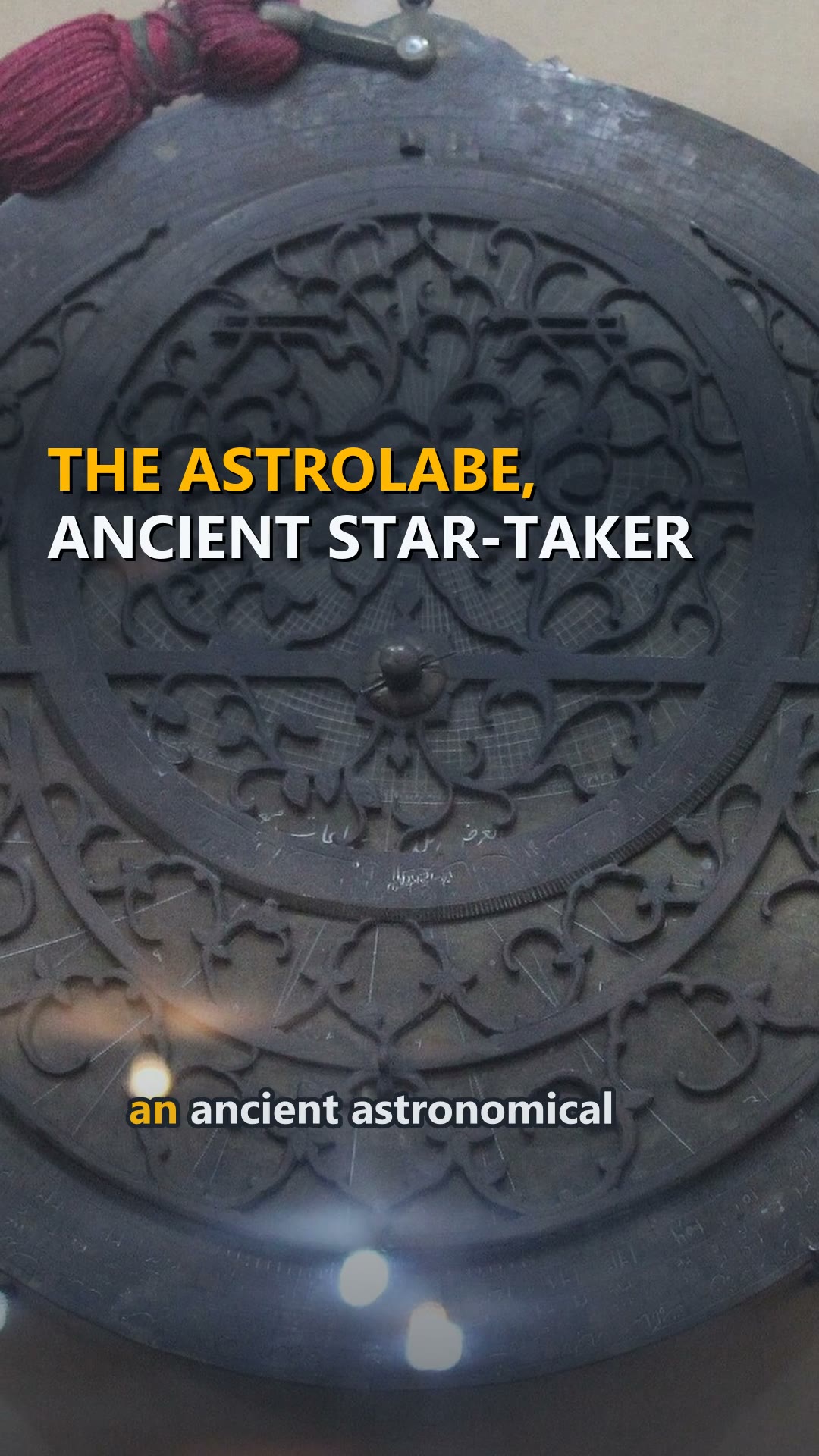
The Astrolabe, Ancient Star-Taker
An astrolabe is an ancient astronomical instrument from classical antiquity. Its Greek name translates directly to star-taker. The device is a metal disc with cutouts and wires.
What the video says
An astrolabe is an ancient astronomical instrument from classical antiquity. Its Greek name translates directly to star-taker.
The device is a metal disc with cutouts and wires. Like a protractor that went to finishing school.
Muslim astronomers added angular scales to the design. The earliest surviving astrolabe dates to 927 CE.
Jean Fusoris remade and sold astrolabes in his Paris shop.
Geoffrey Chaucer compiled a treatise on the astrolabe for his son. Four identical Hartmann instruments show early batch production.
Astronomer al-Ṣūfī wrote a detailed text about the astrolabe.
Mechanical astronomical clocks were initially influenced by the astrolabe. They produced a continual display of sky positions.
Ludwig Oechslin built an astrolabe wristwatch in 1985. A medieval star chart now tells time.