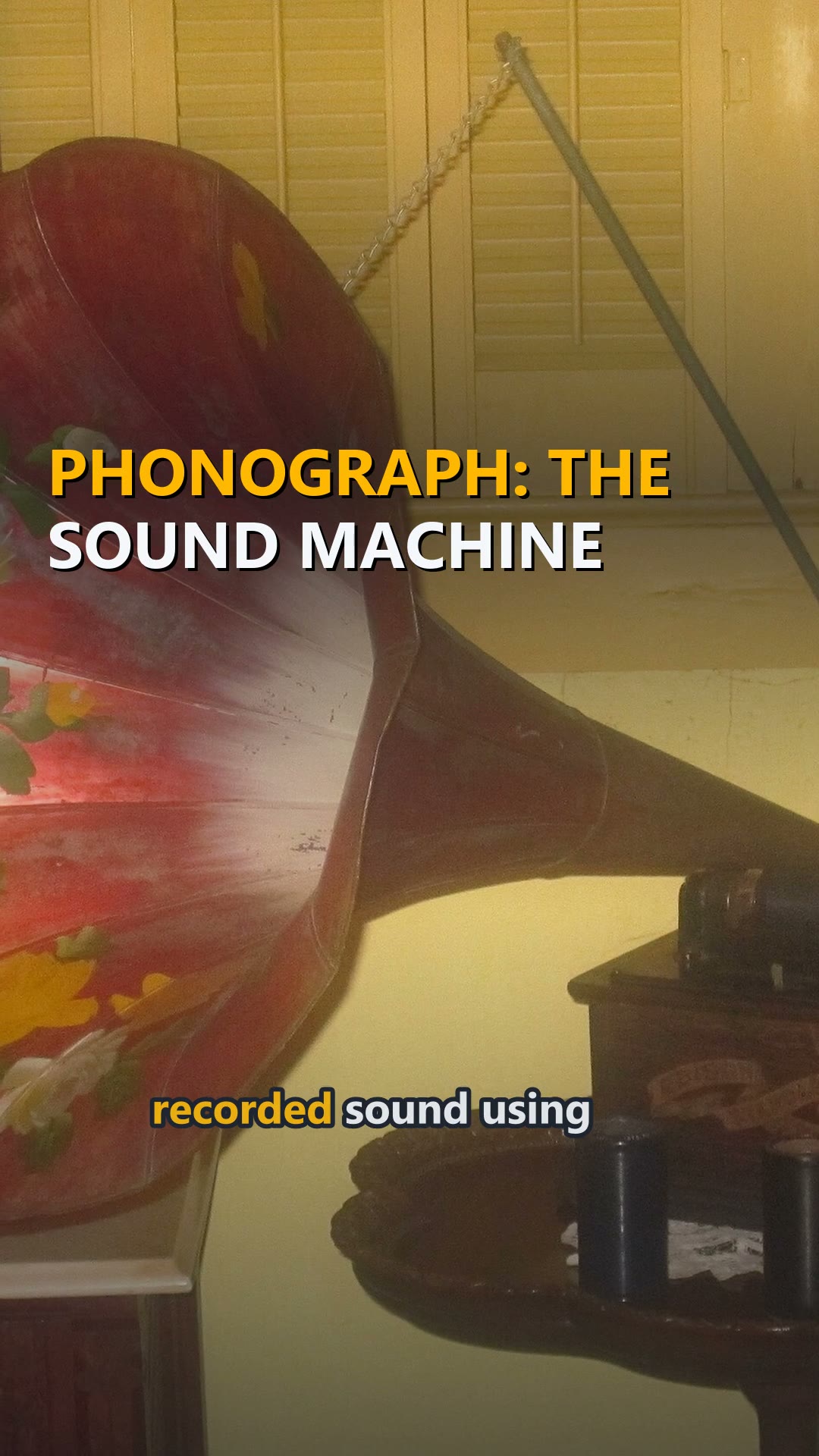
Phonograph: The Sound Machine
The phonograph plays recorded sound using grooves on cylinders or discs. Edison invented the phonograph in 1877. Thomas Edison invented the phonograph in 1877.
What the video says
The phonograph plays recorded sound using grooves on cylinders or discs.
Edison invented the phonograph in 1877.
Thomas Edison invented the phonograph in 1877.
Alexander Graham Bell improved it using wax-coated cylinders in 1880s.
Emile Berliner made flat disc records and called his machine gramophone.
Phonographs became the main home audio device in the 20th century.
The word phonograph comes from Greek and means sound writing.
In Britain, the gramophone name refers to disc record machines.
The phonautograph, invented in 1857, recorded sound as tracings only.
Scott’s phonautograph could not play back the recorded sounds.
Charles Cros proposed acid-etch grooves to reproduce sound recordings.
Records have revived since the late 2000s despite earlier declines.
Source
More to watch
More about United States of AmericaMore from WorldAll technology videos
- Hoodie: From Medieval Cloak to Modern Icon
- How Morse Code Works
- The robot wrote his report in four seconds. Brian had a plan
- Pendulum Clock Timekeeper
- Codex Gigas weighs 74.8 kilograms
- He dug up Ramses II in his garden, then called the authorities
- Mono Lake Saline Soda Lake
- Meteor Crater: Arizona's Impact Hole