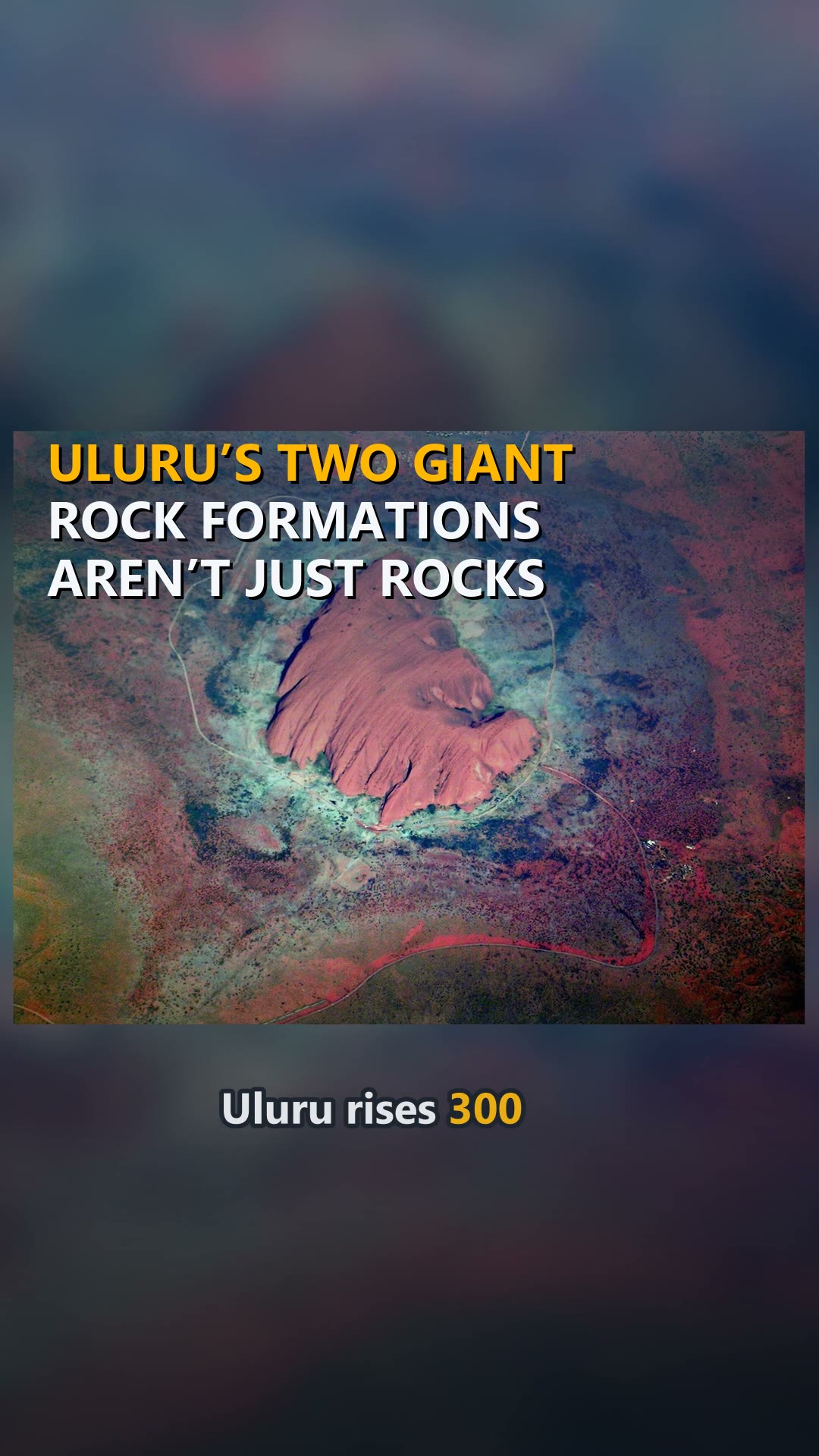
Uluru’s two giant rock formations aren’t just rocks
Uluru rises 300 metres high. Uluru-Kata Tjuta National Park lies in central Australia’s desert. Uluru is a massive sandstone monolith with sheer, steep sides.
What the video says
Uluru rises 300 metres high.
Uluru-Kata Tjuta National Park lies in central Australia’s desert.
Uluru is a massive sandstone monolith with sheer, steep sides.
Kata Tjuta has many rock domes 32 kilometres west of Uluru.
Rock colours shift from red to violet with sunlight and rain.
Anangu people have lived here for tens of thousands of years.
Anangu law, called Tjukurpa, guides life and landscape care here.
Tjukurpa stories link people, animals, plants and landforms alike.
Uluru and Kata Tjuta show ongoing geological processes today.
Rain runoff forms waterfalls up to 100 metres tall on Uluru.
Caves at Uluru’s base form by granular disintegration erosion.
Park management is shared between Anangu and Australian authorities.
Mining is banned, and fire is managed to protect culture.
Mala wallabies vanished but have now been reintroduced here.
These iconic formations are central to the park’s cultural heritage.
Source
More to watch
More about AustraliaMore from WorldAll phenomena videos
- Bungle Bungles Are Not Just Sandstone Domes
- Lake Hillier Explained
- The tongue map is a myth: every part tastes everything
- Do we use only 10% of our brain? Myth, debunked
- Is the Bermuda Triangle dangerous? NOAA says no
- Vikings did not wear horned helmets
- Wave Rock is not a crashing ocean wave
- Wolfe Creek Crater Explained