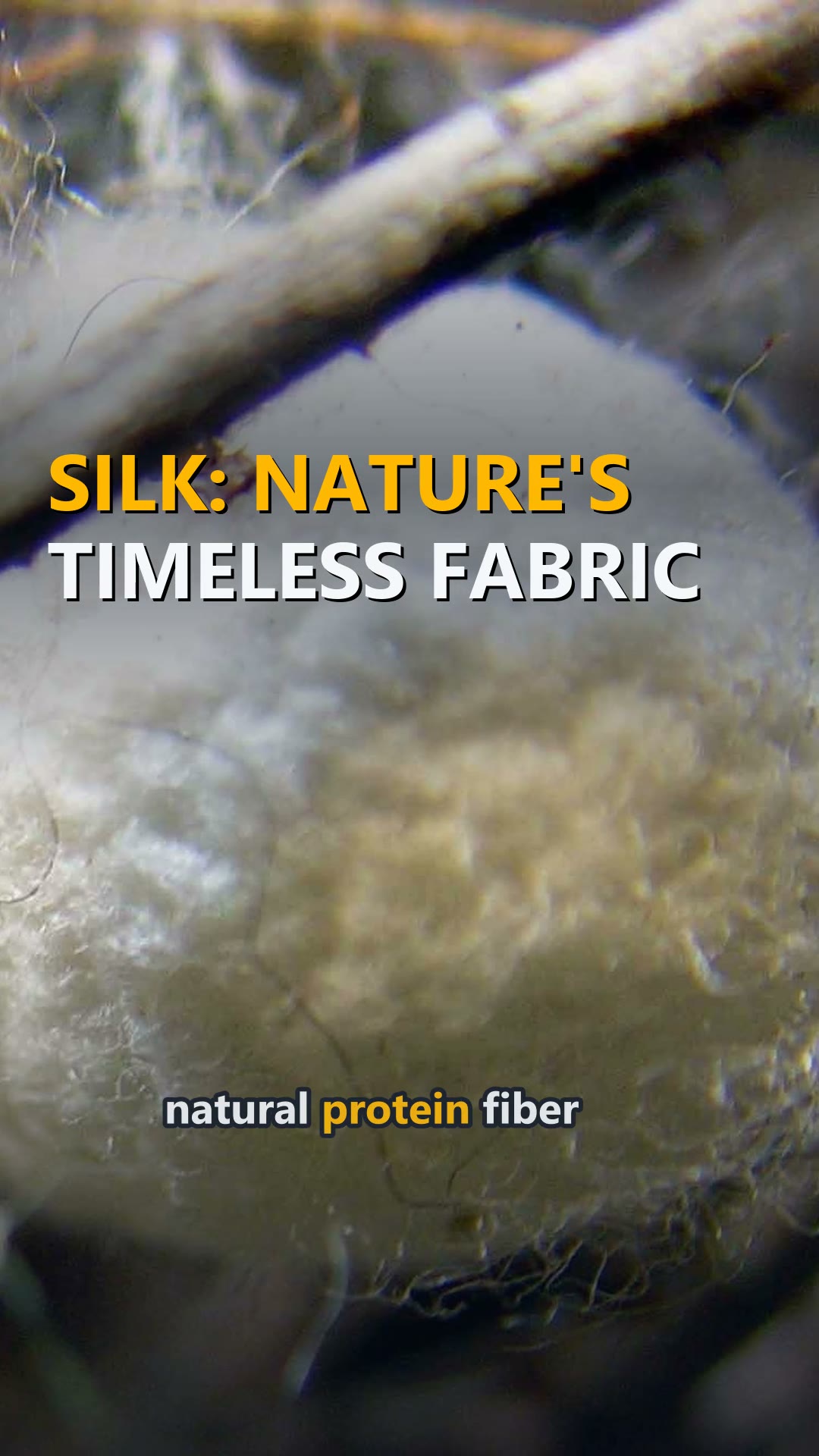
Silk: Nature's Timeless Fabric
Silk is a natural protein fiber woven into fine textiles. The mulberry silkworm Bombyx mori is reared in captivity. Silk production began in central China during the Neolithic period.
What the video says
Silk is a natural protein fiber woven into fine textiles.
The mulberry silkworm Bombyx mori is reared in captivity.
Silk production began in central China during the Neolithic period.
Silk was first reserved for emperors in ancient China.
The Silk Road spread Chinese silk across Asia and Europe.
Wild silks differ in color and texture from cultivated silks.
Demineralizing removes the mineral layer from wild silk cocoons.
Japan’s silk exports quadrupled between the 1890s and 1930s.
Korea practiced sericulture and made silk royal garments.
India is the second largest producer of raw mulberry silk.
Assam produces unique wild silks like golden Muga and Eri silk.
Thai women hand-reel silk threads to produce usable fibers.
Silk production occurs in Bangladesh, including the Rajshahi Division.
Whole cocoons unravel to make strong continuous silk threads.
Silk has been valued historically for its texture and lustre.
Source
More to watch
More about People's Republic of ChinaMore from WorldAll more videos
- Kombucha: The Fermented Tea Drink
- Global Dumpling Delights
- Codex Gigas weighs 74.8 kilograms
- Grandma's ghost came home for Halloween. She was not impressed
- The robot wrote his report in four seconds. Brian had a plan
- He dug up Ramses II in his garden, then called the authorities
- Crossbow: Ancient to Modern
- Tidal Bores Explained