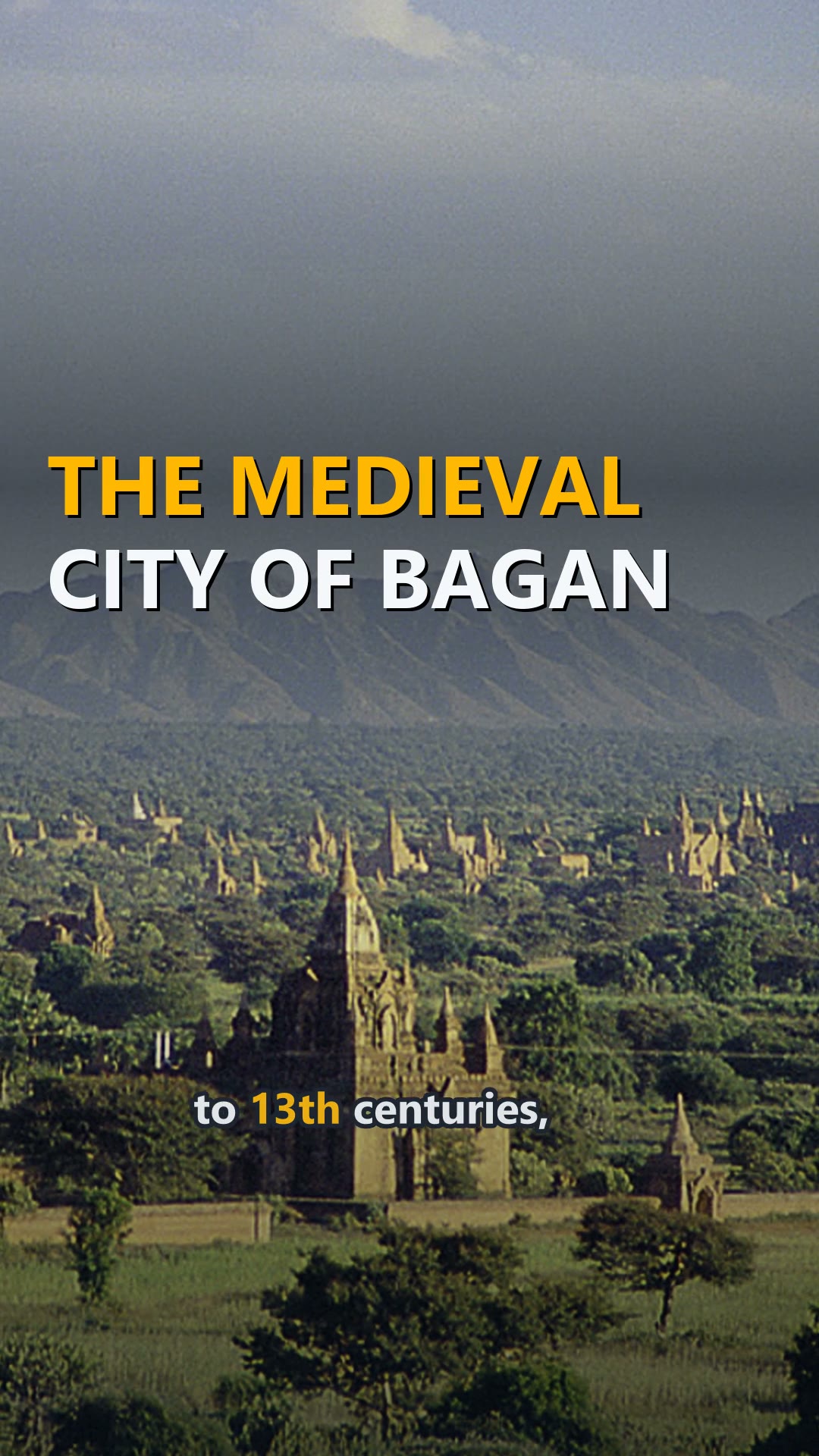
The Medieval City of Bagan
From the 9th to 13th centuries, Bagan was capital of the Pagan Kingdom, unifying regions. Builders constructed over 10,000 religious monuments across an area of 104 km2 in the Bagan plains. Brickmakers stayed busy.
What the video says
From the 9th to 13th centuries, Bagan was capital of the Pagan Kingdom, unifying regions.
Builders constructed over 10,000 religious monuments across an area of 104 km2 in the Bagan plains. Brickmakers stayed busy.
Bagan became a cosmopolitan center for religious studies, with monks arriving from beyond.
The religion was fluid and syncretic. Theravada Buddhism co-existed with Mahayana Buddhism, Hindu schools, and native animist traditions.
Today, 2,229 temples and pagodas remain. Bagan is a main attraction for tourism.
Bagan scholars studied alchemy alongside grammar and astrology.
On 6 July 2019, UNESCO officially inscribed Bagan as a World Heritage Site. Worth the 24 year wait.
Bagan lies in the Dry Zone. It gets little precipitation, sheltered by mountains to the west.