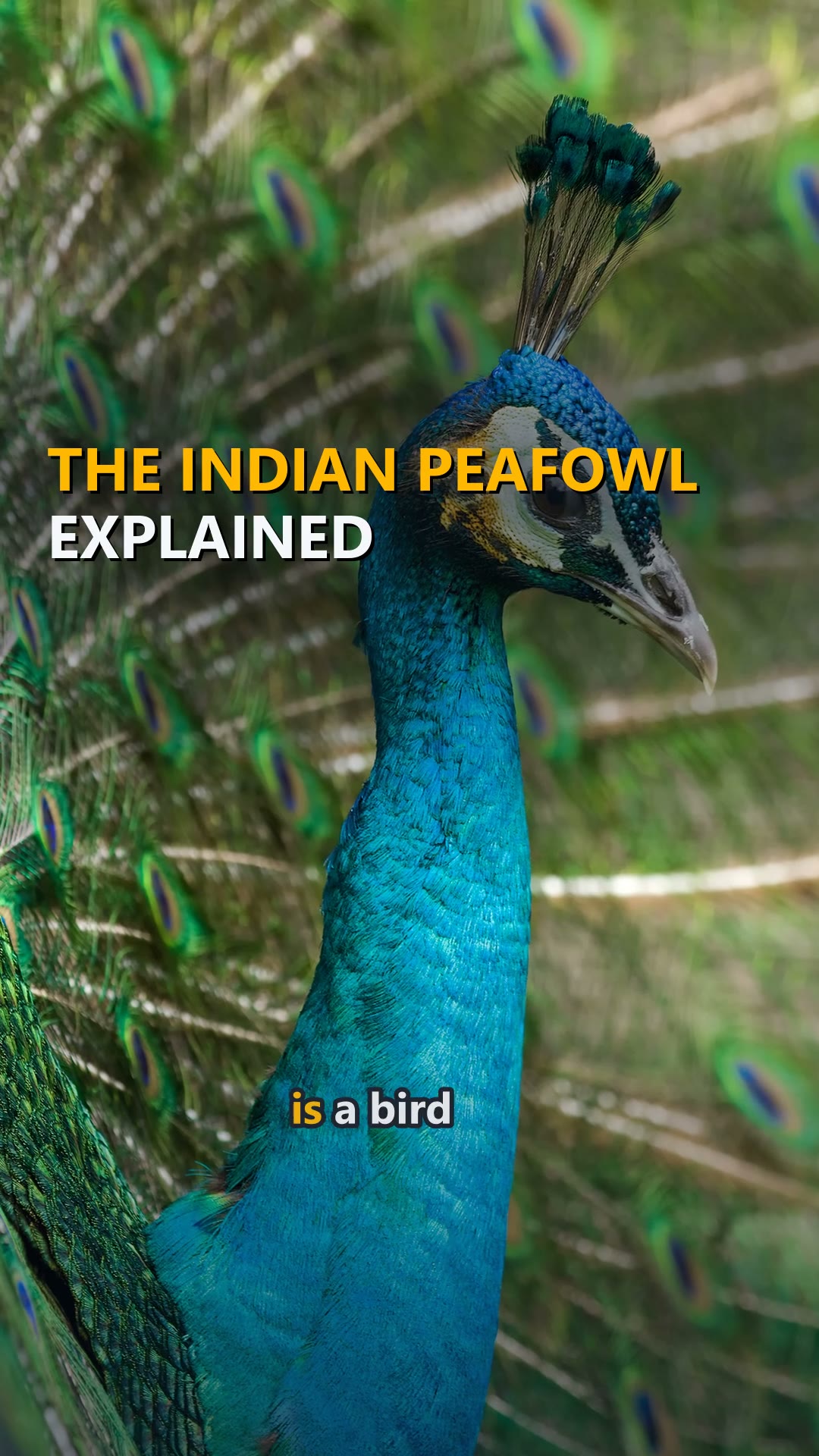
The Indian Peafowl Explained
The Indian peafowl is a bird native to the Indian subcontinent. Carl Linnaeus formally described this species in 1758. 2 kilograms and carry elongated upper tail covert feathers.
What the video says
The Indian peafowl is a bird native to the Indian subcontinent. Carl Linnaeus formally described this species in 1758.
Male peacocks weigh up to 5.2 kilograms and carry elongated upper tail covert feathers. Both sexes are often called peacocks.
Geoffrey Chaucer used the word peacock in Troilus and Criseyde in the 14th century. Early spellings included pacok and pokok.
A small group of foraging birds is called a muster. A muster sounds like a tax audit for birds.
The female incubates the eggs for nearly a month.
Peahens lay three to eight eggs per clutch. Males take no part in hatching or rearing the young.
Charles Darwin showed the black-shouldered bird was a colour variation under domestication—not a separate wild species.
The Indian peafowl is Least Concern on the IUCN Red List and is India's national bird.